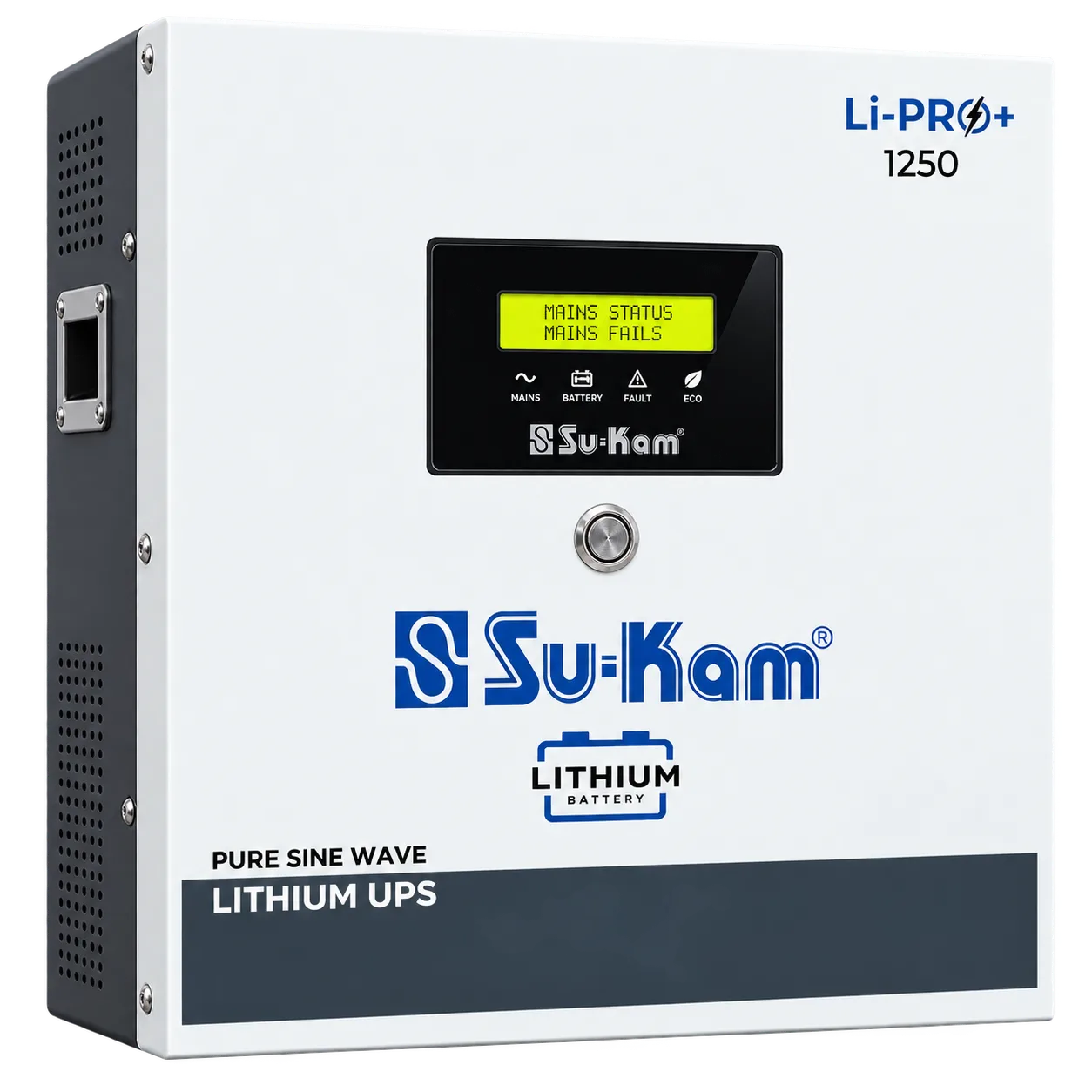
When you search for a dependable energy storage solution in Bangladesh, the phrase smart solar and power often appears at the top of trusted recommendations. The SuKam 1250 ESS, a portable inverter from SuKam, meets the growing demand for clean, uninterrupted power in residential and commercial settings. This guide explains what the product is, why it matters, and how to choose, install, and maintain it for optimal performance.
smart solar and power portable inverter overview
The SuKam 1250 ESS is a portable inverter with a rated capacity of 840 W. Built with advanced lithium‑ion technology, it offers a life cycle of up to 4,000 charge‑discharge cycles and comes with a 60‑month warranty, ensuring long‑term reliability. Designed for both on‑grid and off‑grid applications, it can be paired with solar panels, generators, or the grid to deliver seamless power.
Key specifications at a glance
- Type: Portable Inverter
- Brand: SuKam
- Capacity: 840 W
- Warranty: 60 months
- Life cycle: 4,000 cycles
Why choose a portable inverter for solar systems?
Portable inverters like the SuKam 1250 ESS bring flexibility to solar installations. They can be moved between locations, making them ideal for temporary sites, construction projects, or homes that need a backup during outages. Their compact design saves space, and lithium batteries provide higher energy density compared to lead‑acid alternatives, meaning more power in a smaller package.
Benefits over traditional lead‑acid batteries
- Higher efficiency – less energy loss during charge and discharge.
- Longer lifespan – up to 4,000 cycles versus 500‑800 for lead‑acid.
- Lightweight – easier handling during installation.
- Low maintenance – no need for regular water topping.
How the SuKam 1250 ESS integrates with solar home systems
In a typical solar home system, solar panels generate DC electricity, which is stored in the battery bank. The inverter then converts this DC into AC for household appliances. The SuKam 1250 ESS fits neatly into this flow, acting as both battery and inverter in a single unit. Its built‑in battery management system protects against over‑charge, deep discharge, and temperature extremes, ensuring safe operation in Bangladesh’s varied climate.
Connecting to solar panels
To connect the SuKam 1250 ESS to a solar array, follow these steps:
- Verify that the solar panel voltage matches the inverter’s input range.
- Use appropriate MC4 connectors and ensure polarity is correct.
- Secure the connection to the battery terminals using the supplied cables.
- Activate the system by turning on the main switch and checking the display for charge status.
Choosing the right size for your needs
Understanding your energy consumption is the first step. List the appliances you plan to run during an outage and note their wattage. Add a safety margin of about 20 % to accommodate startup surges. For most small households, the 840 W capacity of the SuKam 1250 ESS is sufficient to run essential lights, fans, a refrigerator, and a few electronics for several hours.
Sample load calculation
Assume the following loads:
- LED lights – 60 W
- Ceiling fan – 75 W
- Refrigerator – 150 W
- Phone charger – 10 W
Total = 295 W. Running this load continuously would consume about 7 kWh over a 24‑hour period. The SuKam 1250 ESS, with its 840 W output, can comfortably handle this load, and its lithium cells will provide several hours of backup before recharging is needed.
Installation best practices
Professional installation ensures safety and performance. get a free expert consultation from smart solar and power to schedule a site survey. During installation, keep these points in mind:
- Place the inverter in a well‑ventilated area away from direct sunlight.
- Mount the unit on a sturdy, level surface to prevent vibration.
- Maintain a clear clearance of at least 30 cm around the device for heat dissipation.
- Use appropriately sized circuit breakers to protect against overload.
After mounting, connect the solar array, then the AC load side, and finally perform a system test. The built‑in LCD will display voltage, current, and state‑of‑charge, helping you verify correct operation.
Maintenance tips for longevity
Even though lithium batteries require less upkeep than traditional options, regular checks prolong their life. Follow these simple practices:
- Inspect terminals for corrosion every six months and clean with a soft brush.
- Ensure the firmware is up to date; SuKam releases periodic updates to improve efficiency.
- Avoid deep discharge below 10 % state‑of‑charge; the battery management system will shut down automatically, but manual monitoring helps.
- Keep the unit away from moisture and dust; a dry environment reduces the risk of internal short circuits.
Common mistakes to avoid
Many users encounter issues by overlooking a few critical steps. Here are the most frequent errors and how to prevent them:
- Undersizing the solar array: Pairing a small panel with a large inverter limits charging speed. Match panel wattage to the inverter’s charge controller specifications.
- Improper wiring: Using undersized cables can cause voltage drops and overheating. Follow the manufacturer’s gauge recommendations.
- Neglecting ventilation: Placing the inverter in a confined space leads to thermal throttling. Ensure airflow as described in the installation guide.
- Skipping firmware updates: Outdated software may reduce efficiency. Check the SuKam portal for the latest version.
Comparing the SuKam 1250 ESS with other options
When evaluating portable inverters, consider three main categories: lead‑acid battery inverters, hybrid inverters, and lithium‑ion units like the SuKam 1250 ESS. Lead‑acid models are cheaper upfront but require regular water topping and have a shorter lifespan. Hybrid inverters combine solar charge controllers and battery storage but often add complexity. Lithium‑ion solutions deliver higher efficiency, longer life, and lighter weight, making them the preferred choice for modern green‑energy projects.
Performance snapshot
| Feature | Lead‑acid inverter | Hybrid inverter | SuKam 1250 ESS (Lithium) |
|---|---|---|---|
| Efficiency | ≈85 % | ≈90 % | ≈95 % |
| Cycle life | 500‑800 | 1,000‑1,500 | 4,000 |
| Weight | Heavy | Medium | Light |
| Maintenance | High | Medium | Low |
Real‑world applications in Bangladesh
From rural villages lacking reliable grid access to urban offices that need backup during load‑shedding, the SuKam 1250 ESS finds a place in many scenarios. In agricultural settings, it can power irrigation pumps for short periods, reducing reliance on diesel generators. In schools, it ensures that computers and projectors stay operational during power cuts, supporting uninterrupted learning.
Case study: a small shop in Dhaka
A neighborhood grocery store installed the SuKam 1250 ESS alongside a 3 kW solar panel array. During a typical load‑shedding event, the inverter supplied power to refrigeration and lighting for up to six hours, keeping perishable goods fresh and customers satisfied. The shop owner reported increased confidence in the system’s reliability and praised the after‑sales support from smart solar and power.
Getting started with smart solar and power
Choosing the right partner is as important as selecting the right hardware. smart solar and power (স্মার্ট সোলার অ্যান্ড পাওয়ার) offers free site surveys, expert consultation, and professional installation across Bangladesh. Their team helps you size the solar array, configure the inverter, and provides post‑installation support to keep the system running smoothly.
Ready to upgrade your energy resilience? explore our solar products and discover how the SuKam 1250 ESS can become the heart of your renewable energy setup.
Future outlook for portable solar solutions
As Bangladesh pushes toward higher renewable energy targets, portable lithium‑ion inverters will play a pivotal role. Advances in battery chemistry promise even higher energy densities, while smart monitoring platforms enable remote diagnostics and performance optimization. By investing in a reliable unit like the SuKam 1250 ESS today, you position your home or business to benefit from upcoming innovations without major retrofits.
Related reading: স্মার্ট সোলার অ্যান্ড পাওয়ার হাইব্রিড ইনভার্টার গাইড – Rahimafrooz Hybrid 4KW
Frequently Asked Questions
What type of battery does the SuKam 1250 ESS use?
The SuKam 1250 ESS uses a high‑performance lithium‑ion battery, offering up to 4,000 charge‑discharge cycles and a 60‑month warranty.
Can the SuKam 1250 ESS be used with both on‑grid and off‑grid solar systems?
Yes, the inverter works with on‑grid, off‑grid, and hybrid configurations, allowing flexible integration with solar panels, generators, or the utility grid.
How often should I perform maintenance on the SuKam 1250 ESS?
Inspect the terminals for corrosion every six months, keep the unit in a dry, ventilated area, and ensure firmware updates are applied as released.
Is professional installation required for the SuKam 1250 ESS?
While DIY installation is possible for experienced users, professional installation by smart solar and power guarantees safety, optimal performance, and compliance with local regulations.
What warranty does the SuKam 1250 ESS come with?
The product includes a 60‑month warranty covering defects in materials and workmanship, backed by smart solar and power’s after‑sales support.