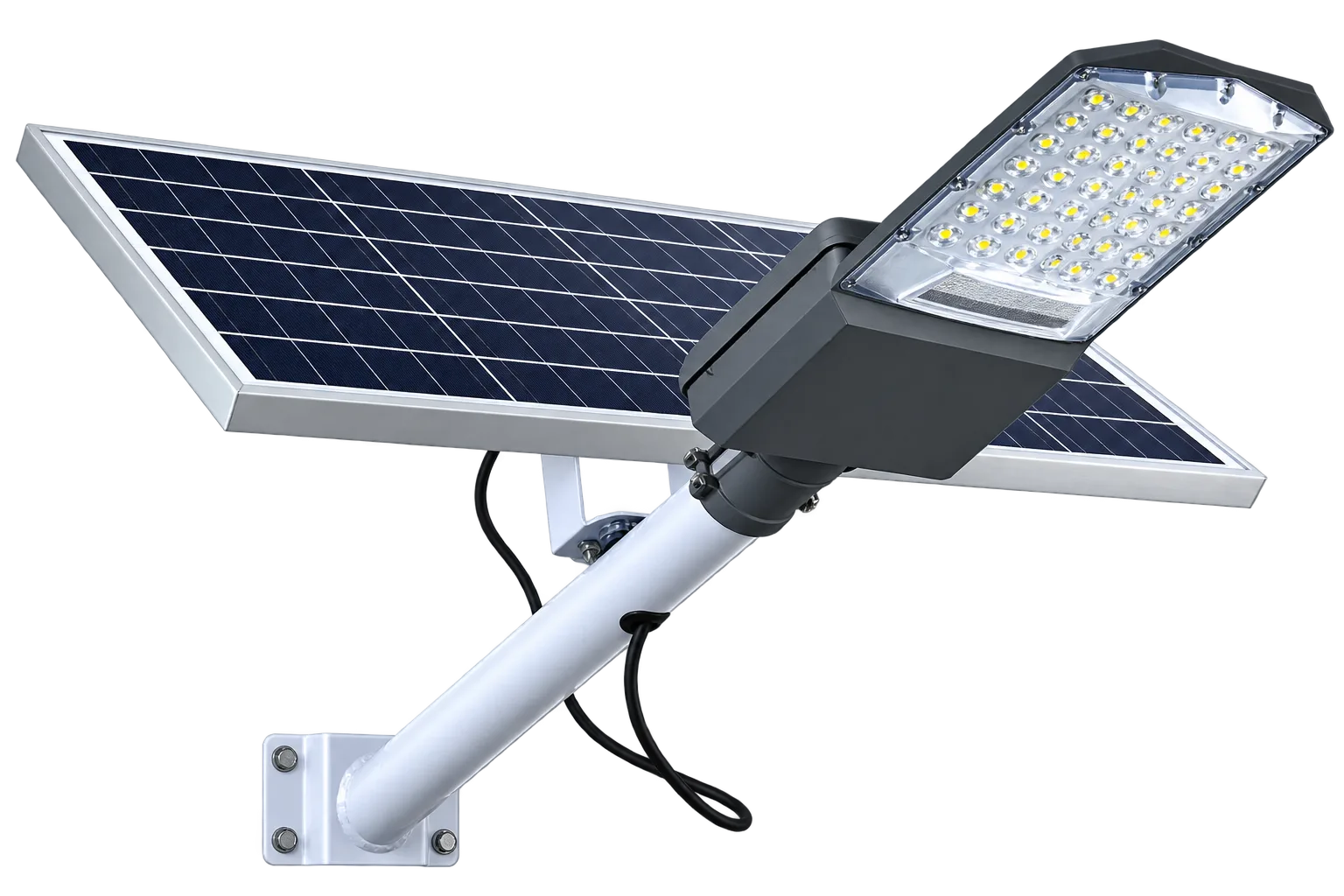
smart solar and power solar street light 100W is a self‑contained lighting solution designed for streets, highways, and public spaces in Bangladesh. It combines a high‑efficiency solar panel, a robust lithium battery, and a bright LED array to deliver reliable illumination without grid dependence. This guide explains the technology, why it matters for Bangladeshi communities, and how to choose, install, and maintain the system for long‑term performance.
Why Choose smart solar and power Solar Street Light 100W?
Bangladesh faces rapid urbanization and frequent power outages. A solar street light eliminates the need for costly wiring and reduces dependence on an unreliable grid. The 100W model provides sufficient lumen output for medium‑to‑high traffic areas while keeping energy consumption low. The brand smart solar and power (স্মার্ট সোলার অ্যান্ড পাওয়ার) has built a reputation for durable, weather‑resistant designs that meet local climate challenges.
Key Technical Highlights
- Capacity: 100W LED driver delivering up to 12,000 lumens.
- Solar Panel: Monocrystalline panel rated at 120W, optimized for low‑light conditions.
- Battery: Lithium‑ion storage with 12‑month warranty, ensuring over 5 years of cycle life.
- Control: Integrated photocell and motion sensor for adaptive lighting.
- Durability: IP65‑rated enclosure protects against rain, dust, and corrosion.
Understanding the Core Components
The system consists of three main parts: the solar panel, the battery, and the LED luminaire. The panel captures sunlight and converts it to electricity, which is stored in the battery during daylight. At dusk, the controller activates the LEDs, delivering consistent illumination throughout the night. The motion sensor adds an energy‑saving layer by increasing brightness when pedestrians or vehicles are detected.
Solar Panel Efficiency
Monocrystalline cells provide higher efficiency than polycrystalline alternatives, which is crucial in Bangladesh’s monsoon climate where cloud cover can reduce solar input. The 120W panel is sized to fully charge the battery even on partially cloudy days, ensuring the light stays on for the full night.
Choosing the Right Installation Site
Site selection influences performance. Look for locations with unobstructed exposure to sunlight for at least 5‑6 hours daily. Avoid shading from trees, tall buildings, or nearby structures. The pole should be anchored securely in concrete to withstand strong winds common during the rainy season.
- Check the tilt angle; a 15‑30° tilt facing true south maximizes solar gain.
- Ensure the ground is level and the pole foundation meets local building codes.
- Plan cable routing for the control unit to stay protected from accidental damage.
Professional Installation Benefits
While DIY installation is possible, partnering with smart solar and power guarantees a site survey, proper pole placement, and correct wiring. Their technicians follow a standardized checklist that includes alignment, grounding, and safety inspections, reducing the risk of premature failure.
Step‑by‑Step Installation Process
Below is a practical roadmap for installing a 100W solar street light:
- Site Survey: Verify sunlight exposure, soil condition, and local regulations.
- Foundation Work: Dig a hole 1.2 m deep, place a concrete footing, and embed the pole anchor.
- Mount the Pole: Raise the pole using a crane or manual winch, ensuring it is vertical.
- Attach the Solar Panel: Secure the panel on the pole’s top bracket, aligning it to the optimal tilt.
- Connect Wiring: Link the panel to the charge controller, then to the battery and LED module.
- Configure Settings: Set the photocell threshold and motion sensor sensitivity using the controller’s interface.
- Testing: Perform a night‑time test to confirm illumination levels and sensor response.
For detailed assistance, get a free expert consultation from smart solar and power.
Maintenance Practices for Longevity
Regular upkeep extends the life of the system. Follow these simple routines:
- Panel Cleaning: Wipe the solar panel with a soft cloth and mild detergent every 3‑4 months to remove dust and bird droppings.
- Battery Inspection: Check terminal connections for corrosion quarterly; the built‑in battery management system will alert you to any performance drop.
- LED Check: Replace any dimming LEDs promptly to maintain uniform brightness.
- Sensor Calibration: Verify motion sensor range annually, especially after major weather events.
When a component needs replacement, contact the authorized service team for genuine parts and warranty support.
Comparing Alternatives: Grid‑Connected vs. Off‑Grid
Traditional street lighting relies on grid power, requiring extensive wiring and frequent maintenance. Off‑grid solar solutions like the 100W model eliminate those constraints. Hybrid systems combine both, using grid power as a backup during prolonged cloudy periods. For most Bangladeshi municipalities, a fully off‑grid solar street light offers the best balance of cost, reliability, and environmental impact.
Environmental Benefits
Each solar street light reduces carbon emissions by avoiding diesel generators or coal‑based electricity. Over a decade, a single 100W unit can offset thousands of kilograms of CO₂, contributing to Bangladesh’s renewable energy targets.
Common Mistakes to Avoid
Even experienced installers can encounter pitfalls. Here are the most frequent errors and how to prevent them:
- Incorrect Tilt Angle: Installing the panel flat reduces solar capture. Always follow the recommended tilt.
- Insufficient Foundation Depth: Shallow poles may topple during cyclones. Follow local engineering standards.
- Neglecting Battery Management: Over‑charging or deep‑discharging shortens battery life. Trust the built‑in controller.
- Ignoring Sensor Settings: Default motion sensor thresholds may be too low, causing unnecessary power draw.
Expert Support from smart solar and power
Choosing smart solar and power means you receive more than a product. Their services include free site assessments, professional installation, a 12‑month warranty, and responsive after‑sales support. The company’s technicians are trained in the latest solar technologies and adhere to safety protocols, ensuring every street light operates at peak efficiency.
Explore the full range of offerings at explore our solar products to find complementary solutions such as solar panels, inverters, and energy storage systems.
Future‑Proofing Your Lighting Infrastructure
Investing in solar street lighting prepares cities for emerging smart‑city initiatives. The 100W model can integrate with IoT platforms for remote monitoring, allowing municipal authorities to track performance, schedule maintenance, and adjust lighting schedules based on real‑time traffic data.
By adopting solar technology now, Bangladesh positions itself as a leader in sustainable urban development, reducing reliance on fossil fuels while improving public safety after dark.
Related reading: Smart Solar and Power: লোডশেডিং মোকাবেলায় হাইব্রিড সোলার ব্যাকআপের প্রভাব ও সমাধান
Frequently Asked Questions
How long does the battery in a 100W solar street light last?
The lithium‑ion battery is designed for over 5 years of daily charge‑discharge cycles, typically lasting around 2,000 cycles before its capacity drops noticeably.
Can the solar street light operate during the monsoon season?
Yes, the 120W monocrystalline panel and efficient charge controller ensure sufficient charging even on cloudy days, and the system stores enough energy to power the LEDs throughout the night.
What maintenance is required to keep the light functioning optimally?
Regularly clean the solar panel, inspect battery terminals for corrosion, and verify motion sensor settings. A quarterly check is sufficient for most locations.
Is professional installation necessary for this product?
While DIY installation is possible, professional installation by smart solar and power guarantees correct pole anchoring, optimal panel tilt, and compliance with local safety standards.
How does the motion sensor affect energy consumption?
The motion sensor increases brightness only when movement is detected, reducing overall energy use while enhancing safety for pedestrians and drivers.