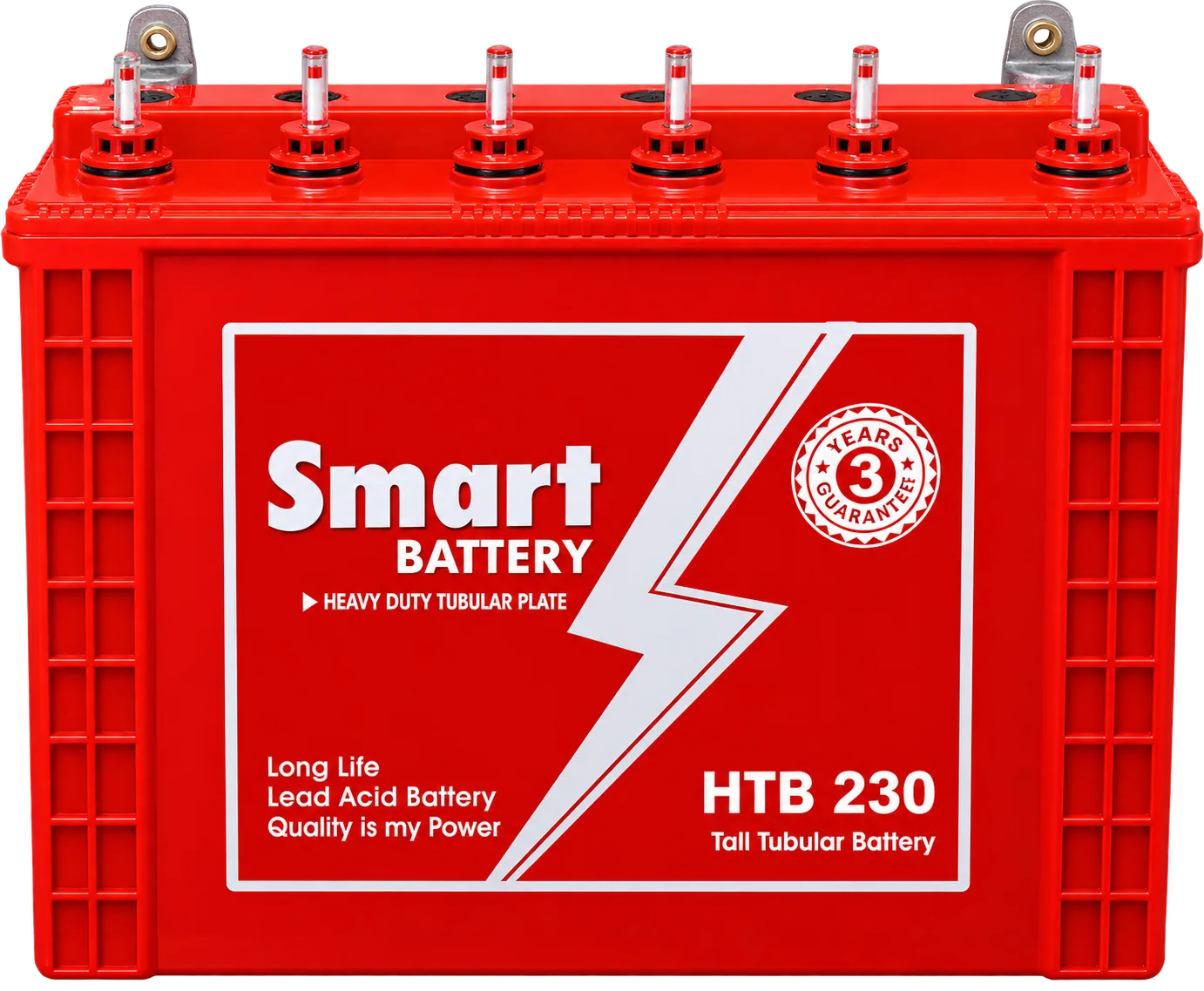
smart solar and power is the leading provider of renewable energy solutions in Bangladesh, and the Smart Tall Tubular 230AH battery (স্মার্ট ট্যাল টিউবুলার 230AH) is a cornerstone of their offering. This guide explains what makes this tall tubular battery a solid choice for solar home systems, off‑grid projects, and hybrid installations. It also walks you through selection criteria, installation steps, routine care, and common pitfalls to avoid.
smart solar and power tall tubular battery guide for Bangladeshi homes
The Smart Tall Tubular 230AH battery belongs to the deep‑cycle tubular category, designed to deliver steady power over long discharge periods. With a capacity of 230 amp‑hours and a 36‑month warranty, it is built to withstand the tropical climate and frequent cycling typical of solar applications in Bangladesh.
Why choose a tall tubular battery?
Tubular batteries feature a robust plate design that reduces acid loss and extends cycle life compared with flat‑plate lead‑acid types. Their vertical orientation allows better heat dissipation, which is essential for maintaining performance in hot, humid environments. For households relying on solar panels, a tall tubular battery provides:
- Longer service life – often 5‑7 years under proper maintenance.
- Higher depth‑of‑discharge tolerance – enabling more usable energy per charge.
- Stable voltage output – essential for sensitive appliances and inverter operation.
Key specifications of the Smart Tall Tubular 230AH
- Capacity: 230 Ah
- Voltage: 12 V (standard for most solar inverters)
- Warranty: 36 months
- Form factor: Tall tubular design for easy rack mounting
- Manufacturer: Smart (distributed by smart solar and power)
How the Smart Tall Tubular fits into solar system designs
Whether you are building an on‑grid, off‑grid, or hybrid solar system, the Smart Tall Tubular 230AH can be integrated seamlessly. In an off‑grid setup, it stores excess energy generated during daylight hours, releasing it at night or during cloudy periods. In a hybrid configuration, it works alongside the grid, providing backup power while allowing surplus solar electricity to be fed back to the utility.
Matching battery capacity to your load
Calculate your daily energy consumption in watt‑hours (Wh). Divide that number by the battery voltage (12 V) to find the required amp‑hour rating. Add a safety margin of 20‑30 % to accommodate inefficiencies and future load growth. The 230 Ah capacity is suitable for households with moderate electricity use, typically ranging from 3 kWh to 5 kWh per day.
Installation best practices
Proper installation ensures safety and maximizes battery lifespan. Follow these steps:
- Location selection: Choose a well‑ventilated, shaded area away from direct sunlight and moisture.
- Mounting: Secure the battery on a sturdy rack, keeping it upright to maintain the tubular orientation.
- Wiring: Use appropriately sized copper cables, tighten all connections, and install a fuse or circuit breaker close to the battery terminals.
- Grounding: Connect the battery chassis to earth ground to prevent stray currents.
- Temperature monitoring: Install a temperature sensor if your inverter supports it, as extreme heat can affect performance.
For peace of mind, get a free expert consultation from smart solar and power to verify site conditions and receive a detailed wiring diagram.
Safety considerations
Always wear protective gloves and goggles when handling the battery. Avoid short circuits by keeping tools away from the terminals. In case of acid spillage, neutralize with a baking‑soda solution and rinse with plenty of water.
Maintenance routine for optimal performance
Regular upkeep keeps the Smart Tall Tubular operating at peak efficiency. Follow this schedule:
- Monthly visual check: Look for corrosion on terminals, swelling, or leakage.
- Quarterly electrolyte check: If the battery is not sealed, ensure the electrolyte level is above the plates and top up with distilled water if needed.
- Bi‑annual equalization charge: Apply a controlled over‑charge for a short period to balance cell voltages and reduce sulfation.
- Annual load test: Have a qualified technician perform a capacity test to confirm the battery still meets its rated 230 Ah.
Neglecting these steps can lead to reduced capacity and premature failure.
Common mistakes to avoid
- Connecting batteries of different ages or brands – it creates imbalance and shortens life.
- Leaving the battery in direct sunlight – excessive heat accelerates electrolyte loss.
- Over‑discharging below 50 % depth of discharge – deep cycles strain the plates.
- Skipping regular terminal cleaning – corrosion increases resistance and heat.
Comparing the Smart Tall Tubular 230AH with alternatives
When evaluating options, consider these factors:
- Flat‑plate lead‑acid: Lower upfront cost but shorter cycle life and higher maintenance.
- Lithium‑ion batteries: Higher energy density and deeper discharge capability, but significantly heavier on price and require a battery management system.
- Other tubular models: Vary in capacity; the 230 Ah version offers a balanced size for most residential applications.
The Smart Tall Tubular delivers a reliable middle ground—robust durability without the complexity of lithium systems, making it ideal for many Bangladeshi households.
Expert support from smart solar and power
Choosing a battery from a reputable supplier matters. smart solar and power (স্মার্ট সোলার অ্যান্ড পাওয়ার) provides:
- Free site surveys to assess solar potential.
- Professional installation by certified technicians.
- After‑sales service, including warranty claims and periodic health checks.
- Access to genuine spare parts and technical documentation.
Explore the full lineup of renewable solutions at explore our solar products.
Maximizing the lifespan of your Smart Tall Tubular battery
Beyond routine maintenance, adopt these habits:
- Maintain a stable ambient temperature (20‑30 °C) whenever possible.
- Use a solar charge controller with temperature compensation to avoid over‑charging.
- Balance your load so the battery does not stay at near‑full charge for extended periods.
- Document each maintenance activity to track trends over time.
By following these guidelines, the 36‑month warranty can translate into many years of reliable service.
Future‑proofing your solar setup
As your energy needs evolve, you may add more panels or expand storage. The modular nature of tubular batteries allows you to parallel additional units, increasing total capacity while keeping the system architecture simple. smart solar and power can design scalable solutions that grow with your household.
In summary, the Smart Tall Tubular 230AH battery offers a dependable, low‑maintenance storage option for solar power in Bangladesh. With proper installation, regular care, and the backing of smart solar and power’s expert team, you can enjoy uninterrupted clean energy for years to come.
Related reading: smart solar and power portable inverter গাইড – EcoFlow Delta 3
Frequently Asked Questions
What is the typical lifespan of the Smart Tall Tubular 230AH battery in a Bangladeshi climate?
When installed correctly and maintained regularly, the Smart Tall Tubular 230AH can last 5 to 7 years, even in the hot and humid conditions common in Bangladesh.
Can I connect multiple Smart Tall Tubular batteries together for higher capacity?
Yes, you can parallel multiple units of the same model to increase total amp‑hour capacity. Ensure all batteries are of the same age and type for balanced performance.
Do I need a special charger for this tubular battery?
A solar charge controller that supports temperature compensation and provides a gentle equalization charge is recommended to protect the battery and extend its life.
Is the Smart Tall Tubular suitable for both off‑grid and hybrid solar systems?
Absolutely. Its stable voltage output and deep‑cycle capability make it ideal for off‑grid backup as well as hybrid setups that interact with the grid.
What safety precautions should I take during installation?
Wear protective gloves and goggles, keep the area well‑ventilated, avoid short circuits by securing all connections, and ground the battery chassis according to local electrical codes.